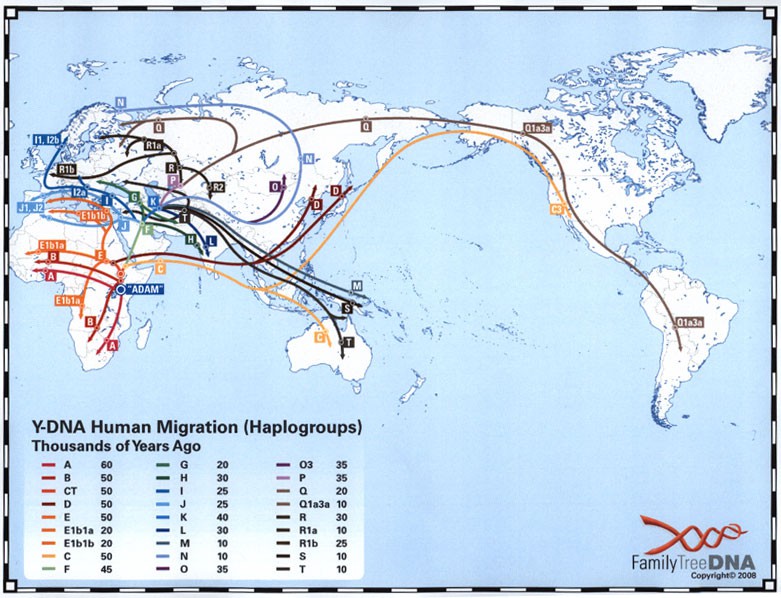
Our Earth, and even the entire known universe, is constructed of only about one hundred different types of atomic structures. Each arraignment is unique, and might be expressed as a gas, liquid, or solid (or even a plasma depending on pressure and temperature) – but Everything is ultimately composed of just a handful of different types of atoms, gathered together in an incredible variety of ways and molecules, to build very large structures. Everything from rocks and oceans, to Humans and cell phones.
This concept of our World is not new. Over 2,300 years ago, Greek philosophers like Epicurus were already discussing the building-blocks of life and atomic structure. But it wasn’t until about one hundred and fifty years ago (1869), and the studies of Dimitri Mendeleev that we really began to understand how atoms actually worked in physical interactions… And it wasn’t until well after Darwin’s evolutionary books and the “Monkey Trial” (1925) that modern society really started to consider that we too, as humans, were part of, and composed of, those same real physical atoms as everything else.
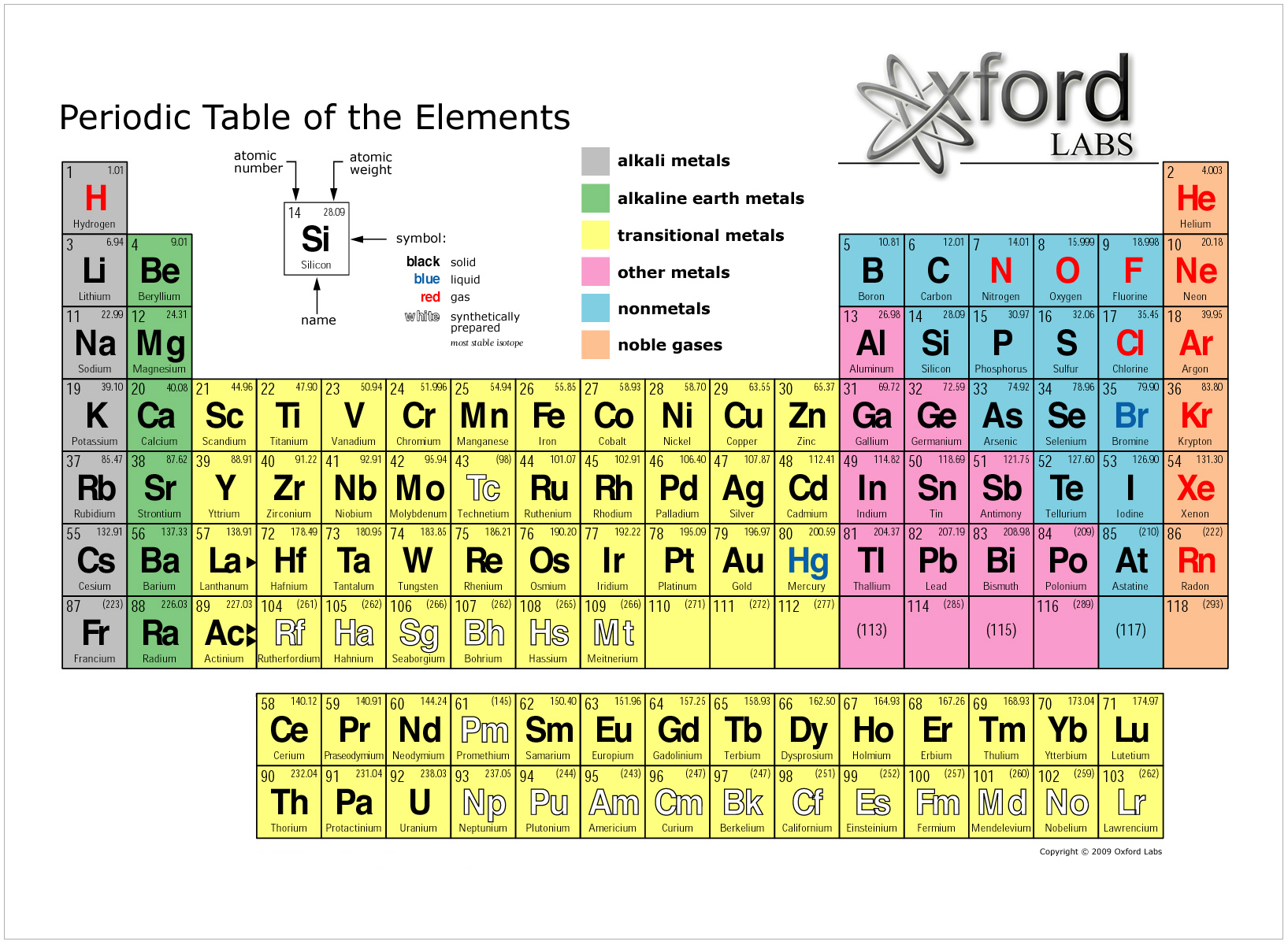
Since we now know that Humans are evolutionary compositions of those same hundred-ish elemental building materials, we have also come to realize that our bodies only utilize a relatively small number of elements that reside mainly in the “mineral” range of the Periodic Table. And by saying we “use them”, I mean that in the normal course of life, we occasionally deplete our reserves of certain ones either through physical activity, or through dietary interactions. Minerals like calcium, phosphorus, potassium, and magnesium are basic elements, and whereas our organs can combine some of them into other useful molecular combinations, we cannot create them, so we must continually ingest them.
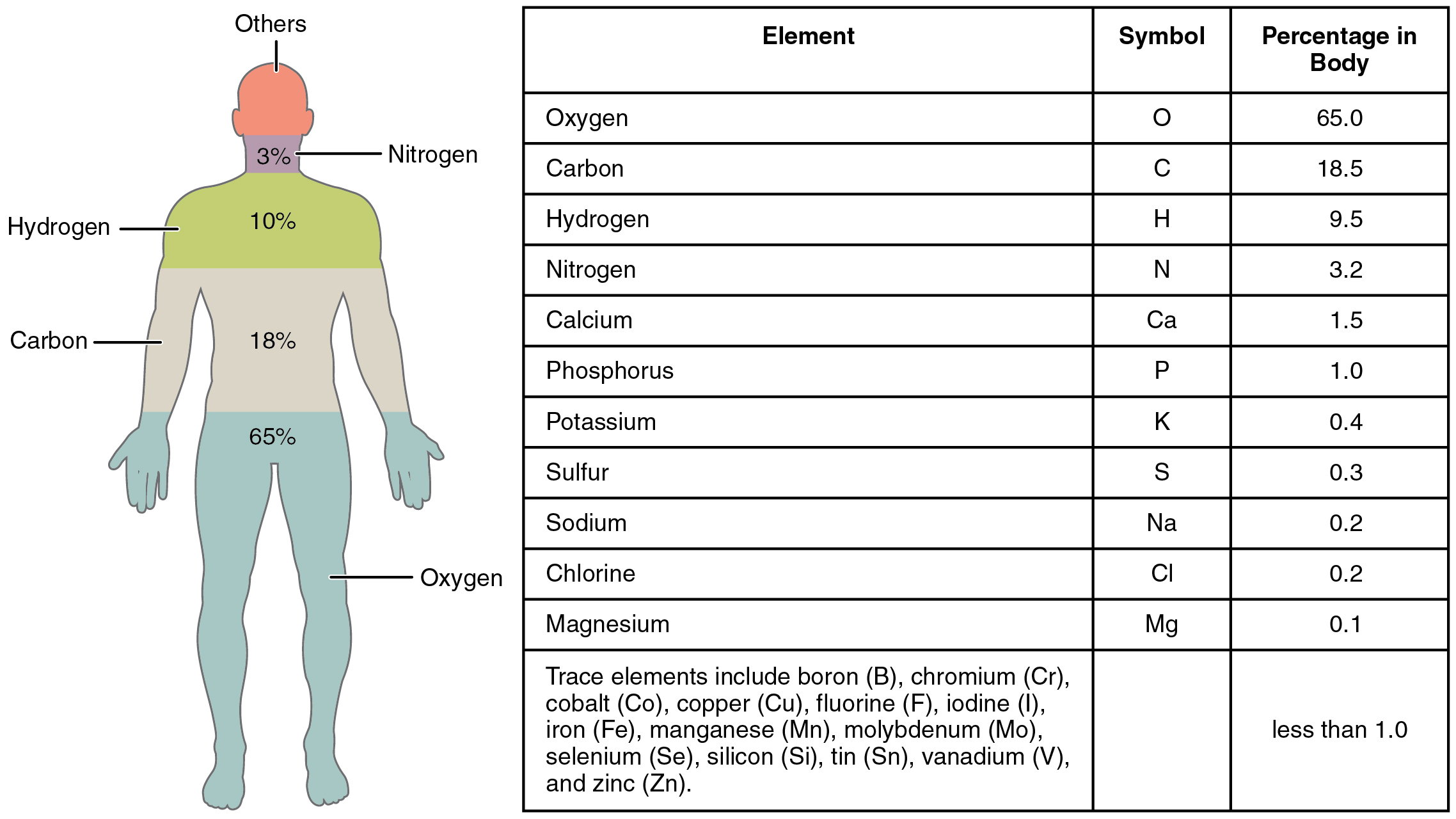
The handful of minerals that are “essential”, to our lives are easily attainable – or our ancestors wouldn’t have had access to them, and consequently we wouldn’t be here. From the gasses like oxygen required for our breath, to the calcium required for our bones. We are consumers of the earth – albeit thankfully, only little, little bits at a time. And since we generally don’t eat the dirt where minerals reside, we must either drink them in our water, or eat them in our foods.
Calcium is the 5th most abundant mineral on earth (generally, minerals are the crystalline elements). It is the core material for shells, teeth, bones, and on and on – but babies can’t “make” it, they get from their mother’s womb, then her milk. Once we’re weaned, we’re on our own – but the sources are almost endless.
The minerals that we consume are all actually just bits and pieces of the Earth. They are little shards and tiny particles that either began as part of the volcanic formation of the tectonic plates on which we live, or as debris and dust left behind from the impact of celestial objects like meteors and comets.
But, all of them that we can identify have been part of the celestial mix from the beginning, and they are the in water, sand, and sky that surrounds us.
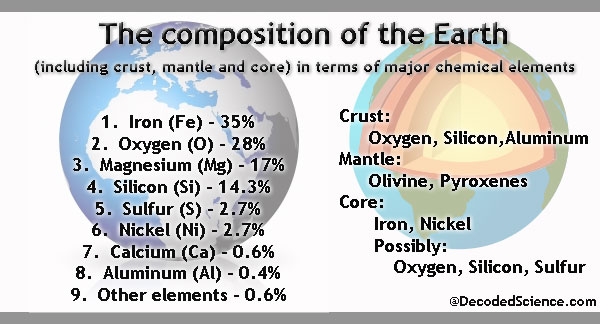
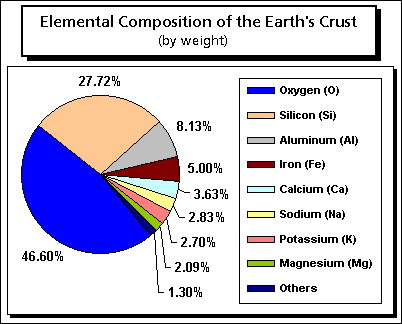
Just as we can easily see that rich, brown farming-dirt does not exist everywhere, nor is it equally spread across the land masses (sometimes there is just rock, beach-sand, or dust) – minerals too, are not very evenly distributed around the globe.
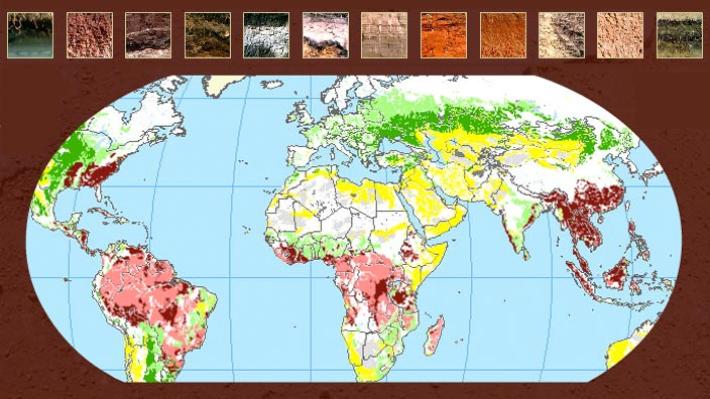
It is from rich brown soil that plants will grow. And just like us, those plants are consumers of minerals. Some will absorb more iron than others, some might soak up more potassium, but almost all of them will draw some kind of mineral mix up out of the ground as they grow into bean-stalks, or majestic fruit-bearing trees – and their branches, leaves, and fruit will contain those same minerals.
But note: if a particular mineral is not in the soil for the plant to “consume”, then the plant cannot create it either. Plants can’t add minerals to the soil that were not there originally. And – if they have consumed all the minerals from an area (over eons of different plant life cycles), and they are ultimately harvested and die elsewhere (like on a supermarket shelf), their minerals (and whatever other nutrients they ingested) are not returned to that soil either – and since that soil has no way to replenish itself (maybe until the next volcanic eruption), it becomes barren sand with no value to mankind. Farmers plow and turn their soil, while adding fertilizers to delay the depletion, but fertilizers are pretty limited (not to forget run-off problems), and unless periodic flooding occurs to bring in new topsoil, most fields have limited production years.
Regardless, Minerals (and a few other ground-based nutrients) are the reason that Humans need to eat vegetables. Vegetables are the direct line to our base elements.
There are some that we need to replenish “often”, and there are those that seem to be able to come and go in very minimal amounts – like copper and zinc, but proper mineral balance improves the ability of the body to absorb nutrients efficiently. For example: magnesium is necessary for calcium absorption, and calcium is necessary for bone strength.
Essential minerals chart
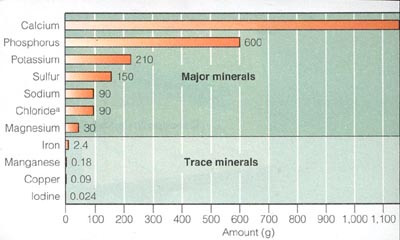
A steady mix of meat and vegetables should usually bring all the necessary minerals you need into your system – assuming that the greenery that you, or your “meat” ate, came from soil that still contained any minerals.
But in the end, it’s probably a good thing to occasionally take mineral supplements because I would assume that minerals, like vitamins, are not as concentrated in our soil and foods as they were thousands of years ago. I don’t think it needs to be once a day, but a few times a week might be beneficial.
Just a Note: The roots of plants don’t stop at pulling up just vitamins and minerals, they are capable of drawing-up any, and all the microscopic things that reside in our soil. These might be man-made pesticides, natural elements like arsenic, or bacteria like salmonella… as well as all the pollutants that might reside in the water sources – chemical waste runoff, acid rains, and tainted aquifers from mining processes.
Sadly, we are what we eat, and everything that we eat is a product of its own nutrient intake. It is a broad nutrient chain – and it starts in the soil, flows through the plants and their fruits, then into many types of animals, and ultimately continues with us. We are certainly not the end of the chain, but whereas at one time Mankind was just another cog in the wheel, Humans now frequently alter the “flow” of the chain– always with good intent I’m sure, but nonetheless, we tend to be over-achievers when there is a profit to be made. There are probably more than enough soil-based vitamins and minerals to go around for ages to come, but over time almost any specific area can be over-farmed, polluted, or depleted.
There is a great book which categorizes the minerals by which vegetables have the highest tendency (or ability?) to absorb them. For example, if I found out that I needed more potassium, I can look potassium up and see which plants carry the highest concentrations. In this case, I would see that lettuce heads the list, but I might opt for cucumbers or spinach which are a little farther down. It is called Minerals for the Genetic Code, and it was written (and self-published) by Charles Walters in 2006.
 Paleo-opolis