
Gluten is the protein portion of a wheat (or related grain) seed – no more, no less. So, if a wheat product is “gluten free” it is also protein free.
Gluten, is a protein-composite, and it helps “bind” the sugars of the ground-up seeds, giving elasticity to the dough that is produced. The more gluten in the dough, the better the dough will “hold-together” all the way through the kneading, forming, and baking process.
A modern wheat seed, and the flour produced from it, is composed of about 10-15% protein (gluten), and about 75% sugar (also called starch (stored sugar), or carbohydrate (the chemical term for sugar).
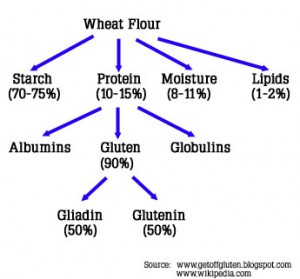
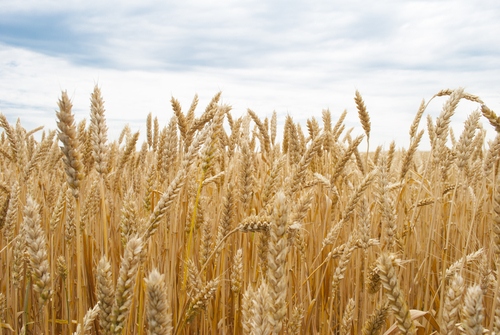
It wasn’t always so. Wheat used to carry much less protein, but intense breeding by the wheat industry and the major seed producers over the last fifty years or so (and I note, through selective breeding, not genetics (yet)), has created a seed, and plant, that is different, in many ways, from its ancestors. The current wheat seed produces a short (about 4 ft.) stalk that doesn’t quite wave in the breeze like its predecessors, and it has a single large seed head. The benefit to farmers is that it has become much easier to grow, and far easier to gather with specifically designed harvesting equipment.
The benefit to consumers has been “healthier” wheat, with a larger ratio of protein to sugar, even though the seeds (and all the products made from its flour) are still mostly sugar.
It seems that the intent for wheat farming, as a whole, is to “feed the world”, and help stop world hunger – and that is a noble cause. It would be a far easier task if wheat was a more nutritious grain – but it’s not. It was, and still remains, a low protein plant that requires a lot of labor to produce – especially in the quantities that are required to make it worthwhile.
In reality, the main strength of wheat is its ability to be a “filler”, or an “additive” to the basic nutritional “staples”, such as meat and fish (more protein, NO sugar), and nuts (fatty acids, NO sugar). Wheat, in large quantities, even with the small amount of protein it provides, can help feed multitudes – but badly, and usually with many oral and other related health issues – but still, for the starving, it is far cheaper than “real food”. But, one needs to be reminded that it carries very little nutritional value – it is able to fool us because the stomach “feels” fed.
It remains true that “Man cannot live by bread alone”.
The other benefit of a higher protein/gluten-yielding wheat, is that it has been a blessing to bakers, and bread lovers everywhere. The gluten/protein, acts like elastic “rebar” in the dough – it helps to bond the sugars together – so that when the dough rises, the “latticework” of gluten helps trap the rising heat, and thus, helps the bread rise higher – far, far higher and fluffier than its ancestors.
Fluffy donuts? Gluten; fluffy pastries? Gluten; Light, sweet, French baguettes? Gluten.
***
So, more gluten means more protein, and you would think that would be a good thing for everybody, but there is a BIG problem for more, and more people:
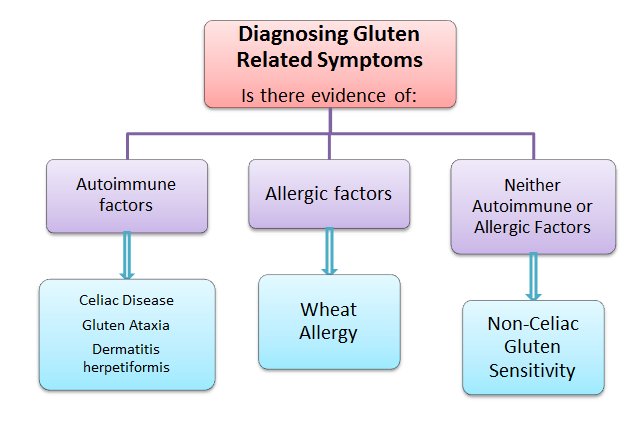
As we have carried our love of light, fluffy breads to new heights, we (and science) have come to realize that the protein-compound, as it has evolved in wheat, barley, and rye, makes it react adversely with the stomach linings of quite a few consumers. Maybe gluten has always triggered an adverse reaction in a few diverse groups of people, like the bell-curve of any allergic reaction, but the higher levels might be related to an avalanche of new stomach ailments that have cropped up lately.
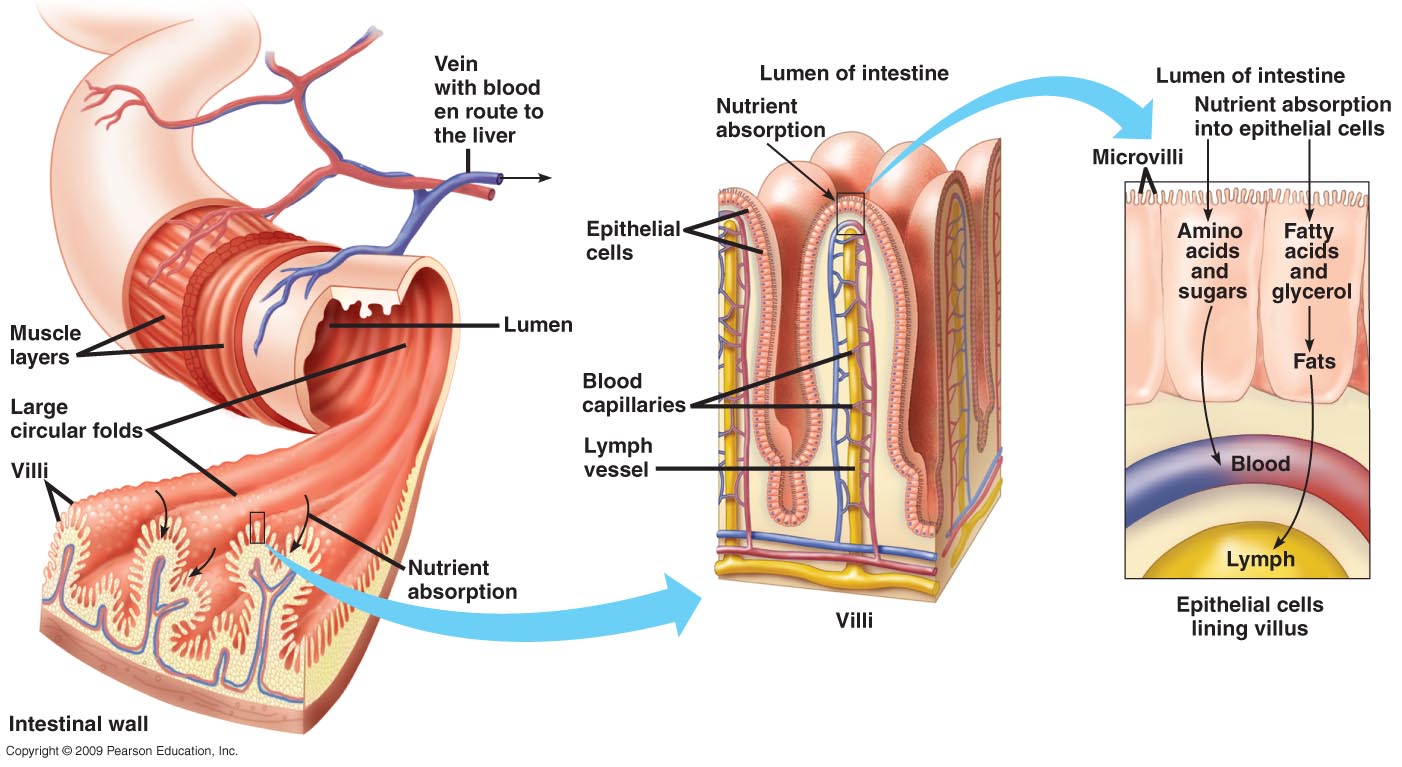
Gluten, research now shows, has the ability to strip (or erode?) the microvilli (helpful digestive bacteria) that line our small intestines. When this bacteria layer is reduced (or in the case of celiac victims, removed entirely), the ability of our intestines to absorb nutrients follows suit. A person can starve to death, as food goes right on through – an incoming meal can be “reduced” to the proper consistency and nutrients by your stomach, but still be un-absorbable further down where it counts. At that point, the nutrients in ALL food, not just the wheat products, remain unused as they pass on out. Fecal transplants, containing new microvilli, have been successful in many cases, but the treatment is still new – and there are various types of gut bacteria to be dealt with.
Also, because gluten has such elastic-like properties, it is often used in hair and skin products. True gluten, with gliadin and glutenin, is limited to certain members of the grass family. The stored proteins of corn and rice are sometimes called glutens, but their proteins differ from true gluten.
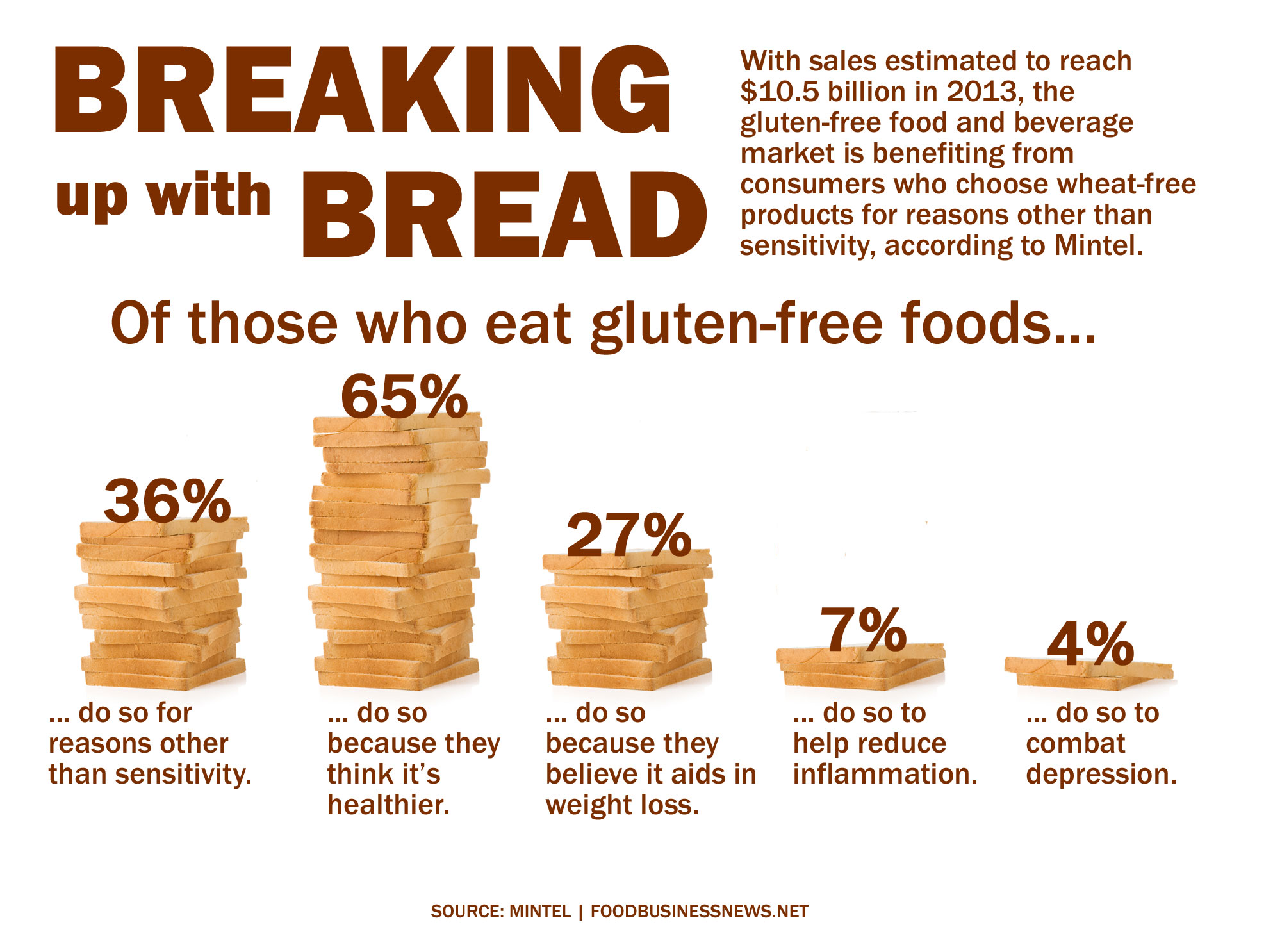
Wheat, and by default Gluten, are just one more part of the dietary puzzle that “marketing” tries to help us sort out. Their advice, as usual, is – “buy this gluten-free product instead”.
Instead, my advice is to “not buy”, and in fact, “give up” as much wheat – and the ensuing gluten – as possible. Little by little. You will be amazed how much better you will feel after even a few short weeks, whether you are gluten-tolerant or not. After all, wheat carries very little food value anyway, what you are giving up is just one more source of excess sugars – and in this case Gluten too. You might also be surprised at how much money you’ll save.
Please see my blurbs on Sugar, and the Low-Carb Diet.
 Paleo-opolis