
On Using Mice to Test Food
Or
A Quirk in the Technology of Nutritional Science
Mice, hamsters, and rats, have been around, almost unchanged by nature, for millions of years. They have evolved to eat insects, lizards, and maybe a bird-egg or two on occasion, but most of their diet consists of seeds and grains.
Most grains and seeds, as a nutrient source, are pretty comparable. Each seed or kernel is generally made up of about 80% starch (the endosperm) – which is the sugar the plant has stored to help with the growth of the seed germ, 15% bran (the outer layer) – it contains fiber and maybe some B vitamins and minerals, and the remaining 5% is the germ (the part that will become a new plant) – it may contain protein, antioxidants, other vitamins, and some fats. The total protein might add up to 10-15% of the grain.
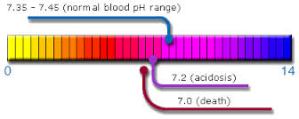
This ratio of eating 80% sugar, to get to 15% of protein works for rodents. They, as opposed to us, “can live on bread alone”. And, they have evolved to absorb the phytic acids that make all grains a little acidic to the human gastric, and blood system. The foods an animal eats is ultimately reflected in its blood acidity, or pH, and every animal has a fairly tight range of acidity/alkalinity that its blood can tolerate. We, as humans, have blood pH that reads about 7.4 (on a scale of 14) – we are slightly alkaline, or basic – and it cannot vary by even .05 without the onset of ill effects.
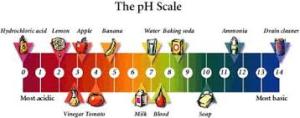
Rats, mice, and other rodents, have a pH of 7.2. Their blood is slightly more acidic than ours, and that would make sense given their diet. But understand what that means – they can eat a lot more grain (or any acidic food) than we can, before they would have any adverse reaction to it. A blood pH reading of 7.2 like theirs, would kill a human.
My point being: Of course rodents like cereal. Of course they like the contents of “energy bars”, of course they like bread, and pasta, and a thousand other sweet, sugary, things. They have evolved to eat it – they might be even genetically predisposed to enjoy it. They would highly recommend cereal and wheat for everybody!
The problem is that we are not rodents, and our diet is not a rodent diet. We did not evolve to subsist from grains. Humans never saw grain as a possible food source until there was a way to gather enough together to make a “meal”. And, even though that event might have been as many as 8,000 years ago, that hasn’t been enough time to change much DNA.
Still, obviously, there are many people get no ill effects from eating grain. Those people may have evolved to eat grains, everyone else is adapting. I put this in the category of lactose intolerance; where there certain ancestral regions may have provided their inhabitants with a different gut-bacterial systems to deal with breaking down the sugars (please see my blog on Milk), while others did not. For me, any bread or pasta triggers (a day or two later) a stomach rash, usually followed by loose poop. Other people can have issues all the way to Crohn’s Disease.
Just because a certain grain doesn’t make a rat obese, doesn’t necessarily mean that it won’t trigger obesity, or even some other reaction, in a Human.
***
I gather from all the probiotic commercials, that quite a few people have stomach and stool problems. They might try a change in diet for a week or so, just to see if grains are affecting them adversely. Try eliminating (or reducing) any one of cereals, breads, pastas, beer, or cookies, and replace it with lunch meats or nuts when you get hungry – see if you don’t notice a difference within a week. You might note that you are not as hungry all the time (because now you’re eating protein, not sugar), and protein does not add fat because the body can’t store it.
I’m not sure if they use rodents to test pet food, but I wouldn’t doubt it. Neither dogs nor cats have evolved to eat grains, so the same issues persist.
Would testing food on Rabbits be any different?
Meanwhile, the mice in Group#3 have asked for a second helping of Frosted Flakes…
 Paleo-opolis