A few hundred years ago (about 1730 until around 1770), an Irish fur trader named James Adair lived and hunted with various north-eastern American Indian tribes, particularly the Chickasaw. He wrote a book titled A History of the North-American Indians, Their Customs, & etc., and he got it published in London in 1775 (at archive.org).
It is a fascinating look at early American Native cultures. He wrote hundreds of pages about this ‘primitive’ man he shared most of his life with, his coloring, his mannerisms, customs, etc.
Some of his conjectures were a little “over-reaching” – as he asserted, with chapters of evidence, that all American Indians must have been directly descended from Jewish clans (there were others who ran with this theory later), but many of his observations were keen with insight from a European viewpoint.
Below, he talks about the American Indian view of clothing as it was worn by Europeans, particularly German clothing – it also just happens to mention, in passing, the squat position.
Regarding the “simple” technology of pants:
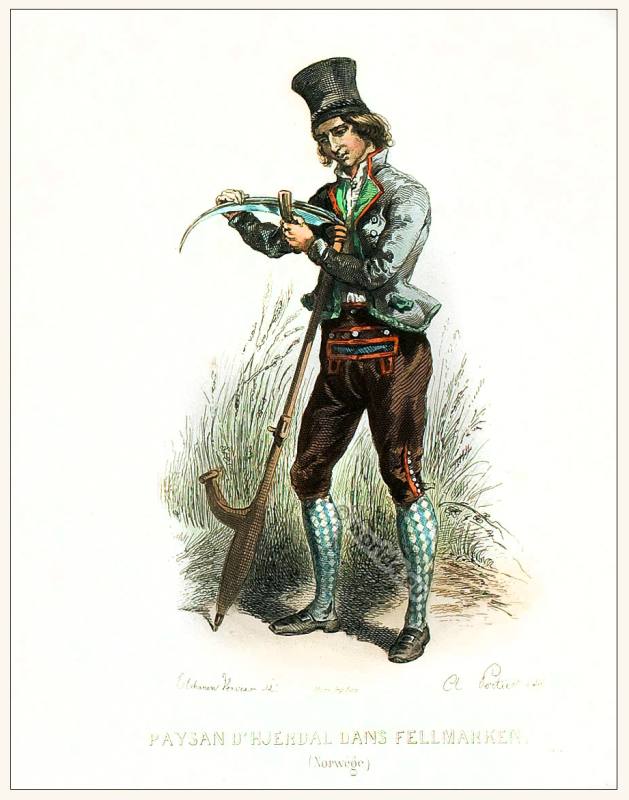
….. ”They have great aversion to the wearing of breeches; for to that custom, they affix the idea of helplessness, and effeminacy.
I know a German of thirty years standing, chiefly among the Chikkasah Indians, who because he kept up his breeches with a narrow piece of cloth that reached across his shoulders, is distinguished by them, as are all his countrymen, by the despicable appelative: Kish-Kish Taramarkshe, or Tied Arse. – (tied ass).
They esteem the English much more than the Germans, because our Limbs, they say, are less restrained by our apparel, from manly exercise, than theirs.
The Indian women also dicreetly observe, that, as all their men sit down (squat!) to make water, the ugly breeches would exceedingly incommode them; and that, if they were allowed to wear breeches, it would portend no good to their country.
However, they add, should they ever be so unlucky, as to have that pinching custom introduced among them, the English breeches would best suit their own female posture on that occasion; but that it would be exceedingly troublesome either way.”
 Paleo-opolis